Start with a question.
Open the soybean demo and follow a suggested next step. No blank canvas, no guessing what to ask.
“Show me the cell groups in this root.”
A research partner for plant single-cell biology
Spend less time naming cell groups by hand. Celloras suggests cell types in one click and shows the evidence behind each suggestion.
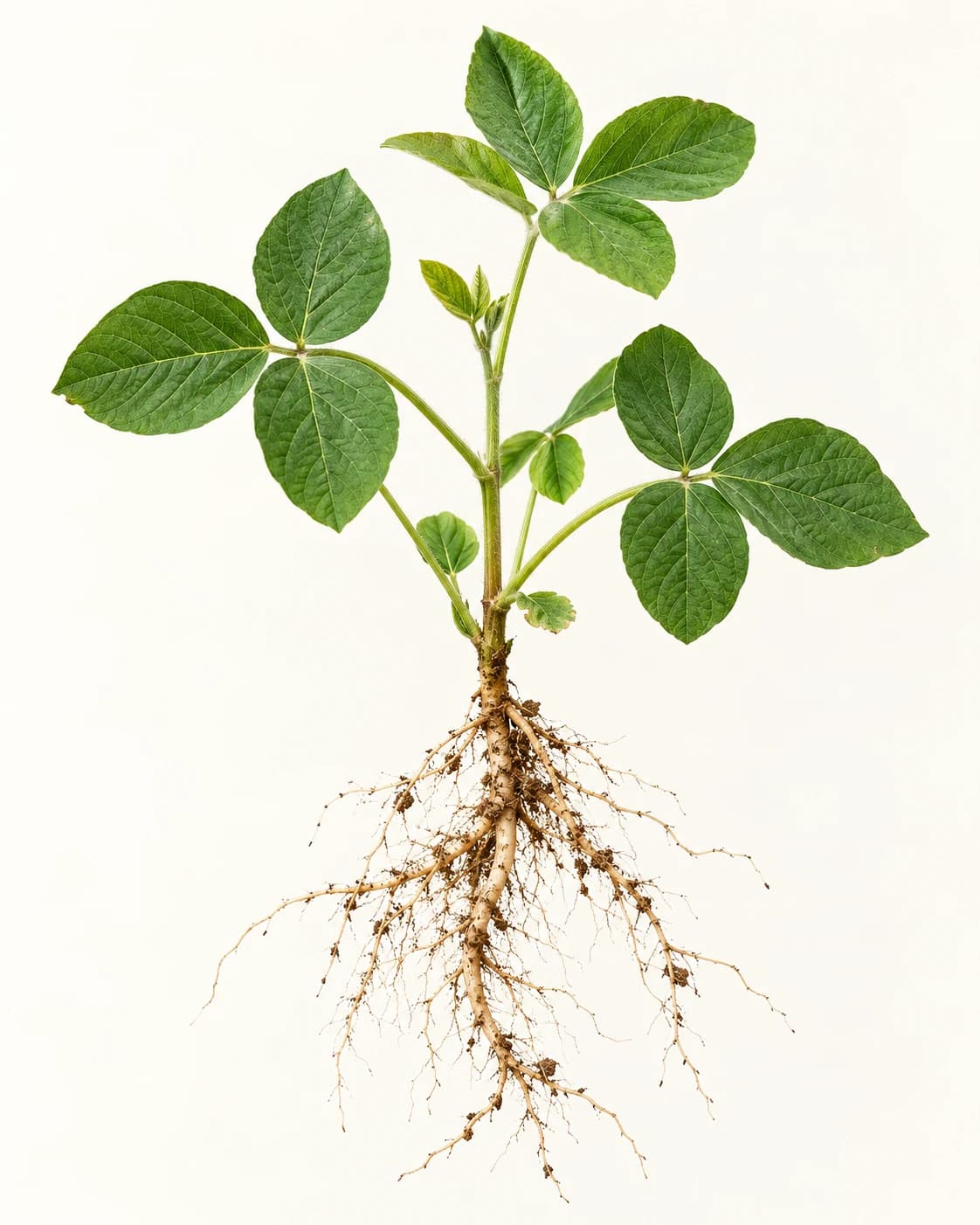
A real soybean dataset, ready to explore.
Demo login details are on the sign-in screen.
Less clicking between tools. More discovery.
Ask a question. Inspect the result. Choose where to go next.
Loading the published cell map…
UMAP 1UMAP 2Choose a cell group, compare its markers and follow the evidence. Suggested actions guide you to the next useful check.
See the full dataset and select a cluster.
Check a gene on the map or compare several in a dot plot.
Read the cited evidence and save your interpretation.
Built around how you think
The agent helps with the work between a question and an answer. You decide what the evidence means.
Open the soybean demo and follow a suggested next step. No blank canvas, no guessing what to ask.
Move from a cluster to its marker genes, expression patterns and relevant papers in the same conversation.
Record what the evidence supports, what remains uncertain and why. Return to the result and your review together.
Evidence stays attached
A promising marker is a starting point. Keep its expression, biological context and source together, so you can challenge an interpretation as easily as you can follow it.
Soybean first. More plants ahead.
Open a prepared dataset and see where the evidence takes you.